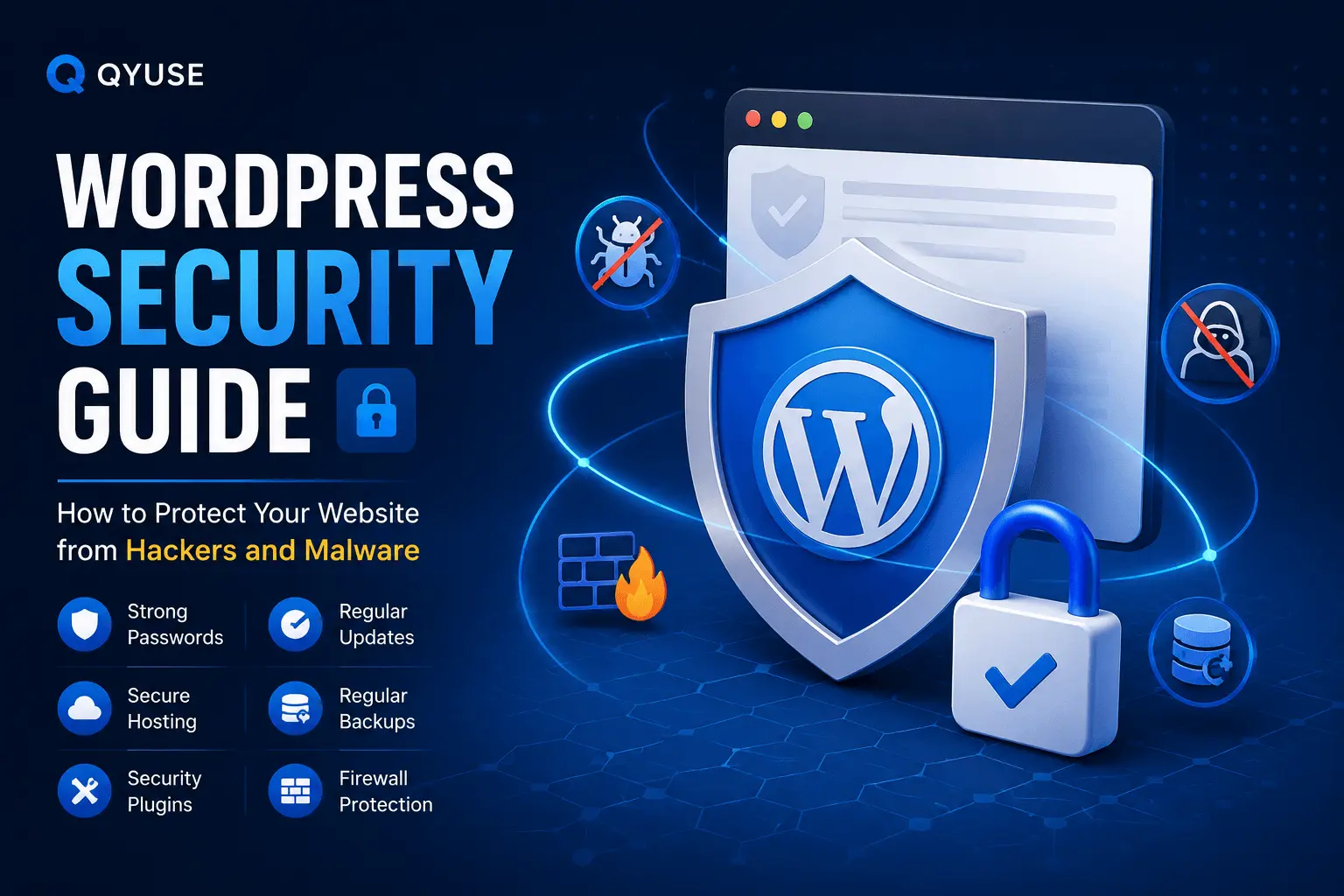

Learn how to secure your WordPress website in 2026. Discover the best WordPress security practices, malware prevention methods, firewall protection, backups, and cybersecurity tips.
Table of Contents
ToggleIntroduction
WordPress powers millions of websites worldwide, making it one of the most popular content management systems available today. From personal blogs and business websites to eCommerce stores and news portals, WordPress offers flexibility, scalability, and ease of use.
However, popularity comes with a downside. Because WordPress is widely used, it is also one of the most targeted platforms for cyberattacks. Hackers continuously search for vulnerabilities in websites that use outdated software, weak passwords, insecure plugins, or poor security practices.
A successful cyberattack can result in data loss, malware infections, SEO penalties, blacklisting by search engines, loss of revenue, and damage to brand reputation.
The good news is that most security threats can be prevented with proper planning and maintenance.
This comprehensive guide explains everything website owners need to know about WordPress security in 2026, including common threats, best practices, security tools, malware prevention strategies, and long-term protection methods.
Why WordPress Security Matters
Many website owners believe hackers only target large organizations.
In reality, attackers often prefer smaller websites because they are usually less protected.
A compromised website can lead to:
- Loss of website access
- Malware infections
- Data theft
- SEO ranking drops
- Google blacklist warnings
- Visitor trust issues
- Financial losses
Security should be considered a core part of website management rather than an optional feature.
Understanding WordPress Security Risks
Cybercriminals use various techniques to attack websites.
Common attack methods include:
Brute Force Attacks
Hackers attempt thousands of username and password combinations until they gain access.
Malware Infections
Malicious code is injected into website files.
SQL Injection
Attackers manipulate database queries to access sensitive information.
Cross-Site Scripting (XSS)
Hackers inject harmful scripts into web pages.
Phishing Attacks
Users are tricked into revealing login credentials.
Understanding these threats helps website owners build stronger defenses.
Keeping WordPress Updated
One of the most important security practices is keeping WordPress updated.
Updates often include:
- Security patches
- Bug fixes
- Performance improvements
- Compatibility enhancements
Outdated software creates opportunities for attackers.
Always update:
- WordPress Core
- Themes
- Plugins
Timely updates significantly reduce security risks.
Choosing Secure Hosting
Website hosting plays a major role in security.
A reliable hosting provider should offer:
- Malware scanning
- Firewall protection
- DDoS protection
- Daily backups
- Security monitoring
- SSL support
Quality hosting creates a strong security foundation.
Using Strong Passwords
Weak passwords remain one of the most common causes of website compromise.
A secure password should include:
- Uppercase letters
- Lowercase letters
- Numbers
- Special characters
Avoid:
- Simple words
- Personal information
- Reused passwords
Every administrator account should use a unique password.
Enable Two-Factor Authentication
Two-factor authentication adds an extra layer of protection.
Even if attackers obtain login credentials, they cannot access accounts without the second verification step.
Benefits include:
- Improved account security
- Reduced unauthorized access
- Better protection against phishing
Two-factor authentication is highly recommended.
Protecting the Login Page
The default login page is frequently targeted.
Security measures include:
Changing Login URLs
Custom login addresses reduce automated attacks.
Limiting Login Attempts
Blocks repeated failed login attempts.
CAPTCHA Protection
Prevents automated bots from accessing login forms.
These measures improve website protection.
Installing Security Plugins
Security plugins provide additional protection.
Common features include:
- Firewall protection
- Malware scanning
- Login security
- Activity monitoring
- File integrity checks
A quality security plugin strengthens overall website defenses.
Understanding Website Firewalls
A firewall acts as a protective barrier between your website and potential threats.
Firewalls help:
- Block malicious traffic
- Prevent attacks
- Filter suspicious requests
They are among the most effective security tools available.
Malware Protection
Malware can infect websites through:
- Vulnerable plugins
- Outdated themes
- Weak credentials
- Compromised hosting environments
Symptoms may include:
- Spam content
- Redirects
- Slow performance
- Search engine warnings
Regular malware scanning helps identify issues early.
Website Backup Strategy
Backups are essential for disaster recovery.
Recommended backup practices include:
Daily Backups
Protect against recent changes.
Offsite Storage
Store backups separately from the website.
Automated Systems
Reduce human error.
Regular Testing
Ensure backups work properly.
A backup can save your website after a security incident.
Securing WordPress Plugins
Plugins provide valuable functionality but can also introduce vulnerabilities.
Best practices include:
- Install only trusted plugins
- Remove unused plugins
- Keep plugins updated
- Review plugin reputation
Fewer plugins often improve both security and performance.
Securing WordPress Themes
Themes can also contain vulnerabilities.
Choose themes that:
- Receive regular updates
- Have positive reviews
- Come from reputable developers
Avoid downloading themes from untrusted sources.
SSL Certificates and HTTPS
SSL certificates encrypt data transmitted between visitors and websites.
Benefits include:
- Improved security
- Better user trust
- Enhanced SEO performance
HTTPS should be enabled on every modern website.
Protecting the WordPress Database
The database contains critical website information.
Security practices include:
- Strong database credentials
- Regular backups
- Limited access permissions
- Monitoring unusual activity
Protecting databases is essential for overall security.
User Role Management
Not every user requires administrator access.
Assign permissions carefully.
Common roles include:
- Administrator
- Editor
- Author
- Contributor
- Subscriber
Limiting privileges reduces security risks.
Monitoring Website Activity
Activity logs help identify suspicious behavior.
Monitor:
- Login attempts
- User changes
- File modifications
- Plugin installations
Early detection can prevent major problems.
Preventing DDoS Attacks
Distributed Denial of Service attacks attempt to overwhelm websites with traffic.
Protection methods include:
- Firewalls
- Content Delivery Networks
- Traffic filtering
Prepared websites are less vulnerable to disruptions.
File Security Best Practices
Protect website files by:
- Using secure permissions
- Restricting access
- Monitoring changes
File security reduces opportunities for attackers.
Securing wp-config.php
The wp-config.php file contains critical configuration data.
Protect it by:
- Restricting access
- Using proper permissions
- Monitoring modifications
This file should receive special attention.
Protecting Against SEO Spam
SEO spam attacks inject unwanted content into websites.
Consequences include:
- Ranking losses
- User distrust
- Search engine penalties
Regular monitoring helps identify spam quickly.
Website Security and SEO
Google prioritizes safe browsing experiences.
Security issues can cause:
- Search ranking drops
- Blacklisting
- Reduced traffic
A secure website supports long-term SEO performance.
Cybersecurity Habits for Website Owners
Website security depends on consistent habits.
Important practices include:
Regular Updates
Keep software current.
Strong Authentication
Protect accounts.
Frequent Monitoring
Detect threats early.
Backup Management
Prepare for emergencies.
Security Audits
Identify weaknesses.
Consistency is critical.
Common WordPress Security Mistakes
Avoid these mistakes:
❌ Using weak passwords
❌ Ignoring updates
❌ Installing pirated themes
❌ Using too many plugins
❌ Skipping backups
❌ Sharing administrator accounts
These mistakes significantly increase risk.
Future Security Trends in 2026
Website security continues evolving.
Emerging trends include:
AI-Powered Threat Detection
Faster identification of attacks.
Advanced Authentication
Stronger identity verification.
Automated Security Monitoring
Continuous protection.
Smarter Firewalls
Improved threat prevention.
Website owners should stay informed about new developments.
Security Checklist for WordPress Websites
Use this checklist regularly:
✅ Update WordPress
✅ Update plugins
✅ Update themes
✅ Enable HTTPS
✅ Use strong passwords
✅ Enable 2FA
✅ Install security plugins
✅ Perform malware scans
✅ Create backups
✅ Monitor activity logs
Following these practices dramatically improves website security.
Why Security Matters for Qyuse
As Qyuse grows and publishes more content, maintaining strong security becomes increasingly important.
A secure website:
- Protects visitors
- Supports SEO rankings
- Improves trust
- Reduces downtime
- Protects business operations
Security should always be considered an investment rather than an expense.
Final Thoughts
WordPress security is not a one-time task. It is an ongoing process that requires attention, updates, monitoring, and continuous improvement.
By implementing strong passwords, secure hosting, backups, firewalls, malware protection, and user management practices, website owners can significantly reduce security risks.
In 2026, cybersecurity remains one of the most important aspects of website management. The websites that prioritize security are better positioned to protect their users, maintain search visibility, and achieve long-term success.
A secure WordPress website is the foundation of a reliable and trustworthy online presence.
Protect your website with trusted security plugins, premium hosting, SSL solutions, backup tools, malware scanners, and cybersecurity resources recommended by Qyuse.