
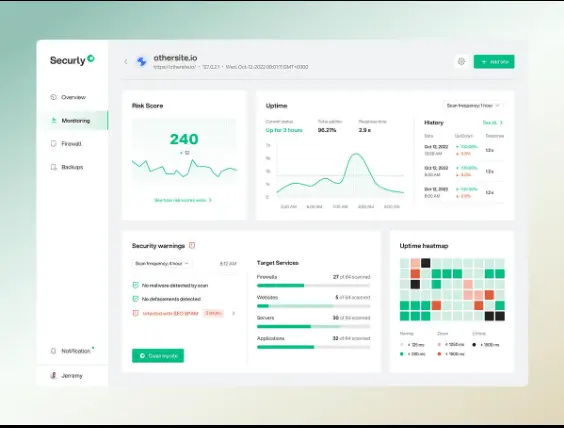

Learn everything about cybersecurity in 2026. Discover how to protect your website, business, personal data, and online accounts from modern cyber threats and security risks.
Table of Contents
ToggleIntroduction
Cybersecurity has become one of the most important aspects of modern life. As businesses, websites, governments, and individuals become increasingly dependent on technology, cybercriminals continue developing more sophisticated attack methods.
Every day, millions of websites face hacking attempts, malware infections, phishing attacks, and data breaches. Small websites are often targeted just as frequently as large corporations because attackers know many small website owners neglect security.
In 2026, cybersecurity is no longer optional. Whether you run a personal blog, an online business, an e-commerce store, or simply use the internet daily, understanding cybersecurity is essential.
This comprehensive guide explains modern cybersecurity threats, best practices, website protection strategies, and practical steps anyone can take to stay safe online.
What Is Cybersecurity?
Cybersecurity refers to the protection of computer systems, networks, websites, applications, and digital data from unauthorized access, attacks, theft, or damage.
The primary goals of cybersecurity include:
- Protecting sensitive information
- Preventing unauthorized access
- Maintaining system integrity
- Ensuring service availability
- Protecting user privacy
Cybersecurity affects everyone, from individual internet users to multinational organizations.
Why Cybersecurity Matters More Than Ever
Technology is now deeply integrated into everyday life.
People use digital platforms for:
- Banking
- Shopping
- Communication
- Education
- Business operations
As digital activity increases, opportunities for cybercriminals also grow.
A successful cyberattack can lead to:
- Financial losses
- Identity theft
- Reputation damage
- Business disruption
- Data loss
Investing in cybersecurity helps reduce these risks.
Understanding Modern Cyber Threats
Cyber threats continue evolving every year.
The most common threats in 2026 include:
Malware
Malware refers to malicious software designed to damage systems or steal information.
Examples include:
- Viruses
- Worms
- Trojans
- Spyware
- Ransomware
Malware often spreads through infected downloads, compromised websites, or phishing emails.
Phishing Attacks
Phishing remains one of the most effective cyberattack methods.
Attackers attempt to trick users into revealing:
- Passwords
- Banking information
- Personal data
Common phishing methods include:
- Fake emails
- Fraudulent websites
- Social media scams
Users should always verify website authenticity before sharing information.
Ransomware
Ransomware encrypts files and demands payment for their release.
Victims often lose access to:
- Documents
- Databases
- Business records
Regular backups remain one of the best defenses against ransomware.
Password Attacks
Weak passwords remain a major security problem.
Attackers use techniques such as:
- Brute-force attacks
- Credential stuffing
- Password spraying
Strong and unique passwords significantly improve security.
Social Engineering
Social engineering exploits human psychology rather than technical vulnerabilities.
Attackers manipulate victims into:
- Revealing information
- Downloading malware
- Granting unauthorized access
Awareness and education are critical defenses.
Website Security Fundamentals
Website owners must take proactive steps to secure their platforms.
Use HTTPS
HTTPS encrypts communication between visitors and websites.
Benefits include:
- Improved security
- Better trust
- SEO advantages
Every modern website should use SSL certificates.
Keep Software Updated
Outdated software often contains vulnerabilities.
Update regularly:
- WordPress core
- Themes
- Plugins
- Server software
Updates frequently include important security patches.
Use Strong Authentication
Enable:
- Strong passwords
- Two-factor authentication (2FA)
- Account recovery protections
These measures make unauthorized access more difficult.
Regular Backups
Backups provide recovery options after:
- Malware infections
- Server failures
- Accidental data loss
Store backups securely and test them periodically.
Protecting WordPress Websites
WordPress powers millions of websites worldwide.
Because of its popularity, it is a common target for attackers.
Install Security Plugins
Security plugins can:
- Monitor threats
- Block malicious activity
- Detect vulnerabilities
Limit Login Attempts
Restrict repeated login attempts to reduce brute-force attacks.
Remove Unused Plugins
Inactive plugins may create security risks.
Only keep necessary software installed.
Use Trusted Themes
Download themes from reputable sources only.
Avoid pirated or modified themes.
Understanding Data Privacy
Data privacy focuses on protecting personal information.
Examples include:
- Names
- Email addresses
- Phone numbers
- Payment information
Organizations must collect and manage data responsibly.
Strong privacy practices improve user trust and legal compliance.
Cybersecurity for Online Businesses
Online businesses face unique risks.
Potential threats include:
- Payment fraud
- Customer data theft
- Website downtime
- Reputation damage
Business owners should prioritize:
- Secure payment systems
- Access controls
- Employee training
- Security monitoring
Cybersecurity should be viewed as a business investment.
Safe Browsing Practices
Internet users can reduce risks by following basic safety practices.
Verify Websites
Check URLs carefully before entering information.
Avoid Suspicious Downloads
Only download files from trusted sources.
Update Browsers
Modern browsers include important security protections.
Use Security Software
Reliable security tools can detect many threats.
Cybersecurity and Artificial Intelligence
Artificial Intelligence is transforming cybersecurity.
AI helps by:
- Detecting unusual activity
- Monitoring networks
- Identifying threats
- Automating responses
However, attackers are also using AI to improve their tactics.
The cybersecurity landscape is becoming increasingly sophisticated.
Mobile Device Security
Smartphones contain significant personal information.
Protect devices by:
- Using screen locks
- Enabling biometric authentication
- Updating software
- Avoiding unknown apps
Mobile security is just as important as desktop security.
Cloud Security
Many businesses rely on cloud platforms.
Cloud security involves protecting:
- Data storage
- Applications
- User access
Best practices include:
- Strong authentication
- Encryption
- Regular audits
- Access management
Cloud security remains a top priority in 2026.
Common Cybersecurity Mistakes
Many security incidents result from simple mistakes.
Common examples include:
Weak Passwords
Passwords such as “123456” remain surprisingly common.
Ignoring Updates
Delaying updates increases vulnerability.
Reusing Passwords
One compromised account can expose multiple services.
Lack of Backups
Without backups, recovery becomes difficult.
Falling for Phishing
Always verify requests for sensitive information.
Building a Security-First Mindset
Technology alone cannot guarantee security.
People play a critical role.
Develop habits such as:
- Verifying requests
- Questioning suspicious messages
- Using secure practices consistently
Security awareness significantly reduces risks.
Cybersecurity Trends for 2026
Several important trends are shaping the future:
AI-Powered Security
Smarter threat detection systems.
Zero Trust Security
Verifying every access request.
Biometric Authentication
Replacing traditional passwords.
Advanced Threat Intelligence
Faster identification of emerging threats.
Stronger Privacy Regulations
Greater protection for user data.
Organizations that adapt early will be better protected.
Cybersecurity Strategy for Qyuse
For a technology-focused website like Qyuse, cybersecurity should include:
- SSL encryption
- Daily backups
- Security monitoring
- Strong administrator passwords
- Two-factor authentication
- Regular plugin updates
- Malware scanning
- Website firewall protection
These practices help maintain trust and protect visitors.
Final Thoughts
Cybersecurity is no longer a concern only for large corporations. Every website owner, business, and internet user must understand the basics of digital security.
The threats continue evolving, but so do the tools and strategies available to defend against them.
By implementing strong security practices, staying informed, and maintaining vigilance, individuals and organizations can significantly reduce their exposure to cyber risks.
In 2026 and beyond, cybersecurity will remain one of the most important foundations of a safe and successful digital presence.
Protect your data, protect your website, and protect your future.
Protect your digital assets with trusted hosting, security tools, backup solutions, and website protection resources recommended by Qyuse.
Helpful article:
- Web DevelopmentWebsite Growth How to Build a Premium Website with WordPress in 2026
- Best AI Tools for Online Business & Productivity in 2026
- Beginner’s Guide to Crypto Futures Trading in 2026
- Affiliate Marketing for Beginners: How to Start Earning Online in 2026
- Best Free WordPress Plugins for Speed, SEO & Security in 2026
- How to Grow a New Website with SEO in 2026
- Top Remote Work Skills That Can Make Money Online in 2026


