
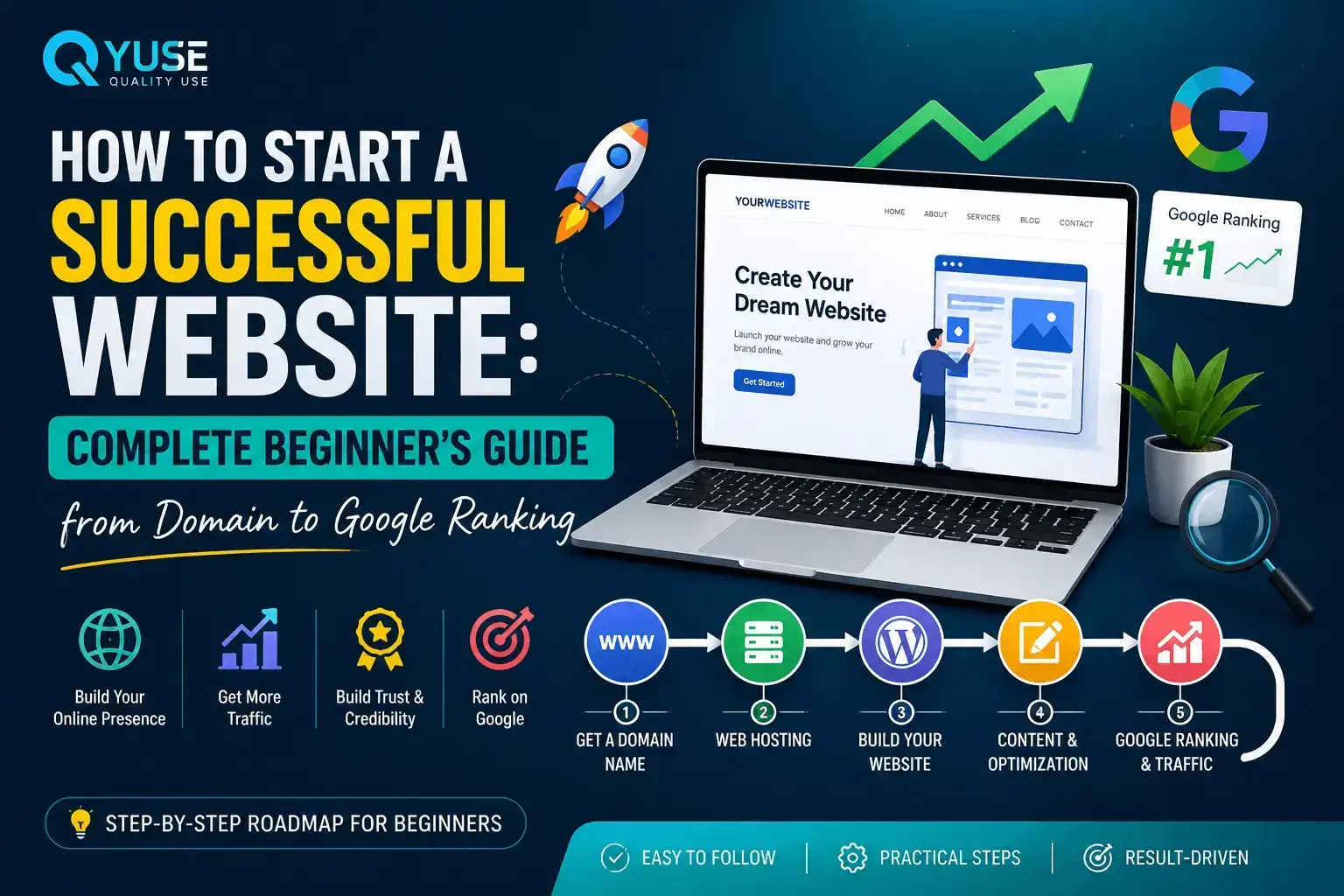

Learn how to start a successful website in 2026 from scratch. Discover domain registration, hosting setup, WordPress installation, SEO optimization, content strategy, and monetization methods.
Table of Contents
ToggleIntroduction
Creating a website in 2026 is one of the smartest investments anyone can make. Whether your goal is blogging, affiliate marketing, online business, freelancing, personal branding, or selling products and services, a website gives you complete control over your digital presence.
Unlike social media accounts that depend on platform algorithms, a website is a digital asset you own. It can generate traffic, leads, sales, and income for years.
Many beginners think building a website requires coding knowledge or a large budget. The truth is that modern tools make website creation easier than ever.
This guide explains everything you need to know about launching a successful website, growing traffic, improving Google rankings, and creating long-term online value.
Why You Need a Website in 2026
The internet continues to grow every year.
People search online for:
- Information
- Products
- Services
- Reviews
- Solutions
A website allows you to become visible when potential visitors search for topics related to your niche.
Benefits include:
- Global reach
- Business credibility
- Search engine traffic
- Audience ownership
- Monetization opportunities
- Brand authority
Whether you’re a student, entrepreneur, freelancer, or business owner, a website creates opportunities.
Step 1: Define Your Website Purpose
Before buying a domain, determine your goal.
Common website types include:
Blog
Publish articles and grow organic traffic.
Business Website
Promote products and services.
Portfolio
Showcase your skills and projects.
Affiliate Website
Recommend products and earn commissions.
E-commerce Store
Sell products online.
Choosing a clear direction makes future decisions easier.
Step 2: Choose the Right Niche
A niche is the specific topic your website focuses on.
Examples:
- Artificial Intelligence
- Cybersecurity
- Blogging
- Technology
- Personal Finance
- Digital Marketing
A focused niche helps:
- Build authority
- Improve SEO
- Attract targeted visitors
Avoid creating a website about unrelated topics.
Step 3: Register a Domain Name
Your domain is your website address.
Examples:
- qyuse.com
- example.com
Good domains are:
- Short
- Memorable
- Brandable
- Easy to spell
Avoid:
- Long names
- Excessive numbers
- Hyphens
Your domain becomes part of your brand identity.
Step 4: Select Reliable Hosting
Hosting stores your website files.
Important factors include:
Speed
Fast websites improve user experience.
Security
Protection against attacks and malware.
Uptime
Reliable availability.
Support
Helpful customer service.
Cheap hosting often causes long-term problems.
Investing in quality hosting improves performance and SEO.
Step 5: Install WordPress
WordPress powers a large percentage of websites worldwide.
Advantages include:
- Beginner-friendly
- SEO-friendly
- Flexible
- Scalable
WordPress allows users to create professional websites without coding knowledge.
Step 6: Choose a Professional Theme
Your theme controls website appearance.
Characteristics of a good theme:
- Mobile responsive
- Fast loading
- SEO optimized
- Clean design
User experience significantly influences visitor retention.
Step 7: Install Essential Plugins
Plugins extend website functionality.
Important plugin categories include:
SEO
Helps optimize content.
Security
Protects against attacks.
Backup
Safeguards data.
Performance
Improves speed.
Analytics
Tracks visitor behavior.
Avoid installing unnecessary plugins.
Step 8: Create Important Pages
Every professional website should include:
Home Page
Introduces your brand.
About Page
Builds trust.
Contact Page
Allows communication.
Privacy Policy
Supports compliance.
Terms and Conditions
Defines website rules.
These pages improve professionalism and credibility.
Step 9: Understand Search Intent
SEO success begins with understanding what users want.
Common search intent categories:
Informational
Learning information.
Navigational
Finding a website.
Commercial
Comparing options.
Transactional
Taking action.
Content should satisfy user intent.
Step 10: Create High-Quality Content
Content remains the foundation of website growth.
Every article should:
- Solve problems
- Answer questions
- Provide value
- Be easy to read
Google rewards helpful content.
Avoid creating articles solely for search engines.
Write for people first.
Building Topical Authority
Topical authority means becoming an expert source in a specific niche.
For example, Qyuse can focus on:
Artificial Intelligence
- AI Tools
- AI Productivity
- AI News
Cybersecurity
- Website Security
- Online Privacy
- Malware Protection
Blogging
- SEO
- Content Writing
- Traffic Growth
Publishing related content strengthens authority.
Keyword Research Basics
Keyword research helps identify opportunities.
Look for:
- Search volume
- User intent
- Competition level
Long-tail keywords often provide easier ranking opportunities.
Examples:
Bad:
“SEO”
Better:
“SEO Guide for Beginners in 2026”
Long-tail keywords attract targeted visitors.
On-Page SEO Essentials
Every article should include:
Optimized Titles
Include primary keywords naturally.
Meta Descriptions
Encourage clicks.
Headings
Use H1, H2, and H3 structure.
Internal Links
Connect related articles.
Image Optimization
Use descriptive file names and alt text.
These practices help search engines understand content.
Technical SEO Basics
Technical SEO ensures websites function properly.
Important elements include:
XML Sitemap
Helps search engines discover content.
HTTPS
Provides security.
Mobile Optimization
Supports mobile users.
Fast Loading Speed
Improves user experience.
Technical improvements contribute to better rankings.
Google Ranking Factors
Google considers many factors.
Key signals include:
Content Quality
Helpful content ranks better.
User Experience
Visitors should easily find information.
Backlinks
Links from reputable websites increase authority.
Website Speed
Fast websites perform better.
Trustworthiness
Secure and reliable websites gain credibility.
How to Get Organic Traffic
Traffic growth requires consistency.
Effective strategies include:
SEO
Long-term organic visibility.
Social Media
Promote content.
Email Marketing
Build loyal audiences.
Community Participation
Engage with relevant communities.
Content Marketing
Publish useful content regularly.
Organic traffic compounds over time.
Common Website Mistakes
Avoid these errors:
Publishing Thin Content
Low-value content rarely ranks.
Ignoring SEO
Optimization matters.
Inconsistent Publishing
Consistency builds momentum.
Slow Websites
Performance affects rankings.
Poor Mobile Experience
Mobile traffic dominates.
Small improvements often produce significant results.
Website Monetization Methods
Once traffic grows, websites can generate income.
Popular methods include:
Affiliate Marketing
Recommend products and earn commissions.
Advertising
Display ads to visitors.
Sponsored Posts
Partner with brands.
Digital Products
Sell ebooks, templates, and courses.
Consulting
Offer professional services.
Diversification creates stability.
Cybersecurity for Website Owners
Security is essential.
Protect websites with:
- Strong passwords
- SSL certificates
- Security plugins
- Regular updates
- Frequent backups
Security incidents can harm rankings and reputation.
Future Website Trends
Several trends will influence websites beyond 2026.
Artificial Intelligence
AI-assisted content creation.
Voice Search
Natural language optimization.
Faster Websites
Performance remains critical.
Enhanced User Experience
User-focused design becomes increasingly important.
Website owners who adapt to trends gain advantages.
Why Consistency Wins
Many websites fail because owners quit too early.
Google often requires months to recognize authority.
Successful website owners focus on:
- Consistency
- Quality
- Improvement
- Patience
Growth compounds over time.
Recommended Strategy for Qyuse
To accelerate growth:
- Publish high-quality content consistently.
- Focus on AI, Cybersecurity, Technology, and Blogging.
- Build topical authority.
- Optimize every article for SEO.
- Create internal links between related posts.
- Improve website speed and security.
This approach supports long-term ranking potential.
Final Thoughts
Starting a website in 2026 is easier than ever, but long-term success still requires effort, strategy, and consistency.
A successful website is not built in a day. It grows through valuable content, effective SEO, strong user experience, and ongoing improvement.
Whether your goal is traffic, authority, or income, the principles remain the same:
Create value, solve problems, and stay consistent.
Over time, these efforts can transform a simple website into a powerful digital asset that continues generating traffic, opportunities, and revenue for years to come.
Build, grow, and secure your website with trusted hosting, SEO tools, premium themes, AI productivity software, and digital business resources recommended by Qyuse.


