
Discover the top website design trends for 2026 including dark UI, AI-powered experiences, futuristic layouts, mobile-first design, and premium branding strategies.
Table of Contents
ToggleIntroduction
Website design is evolving faster than ever. In 2026, users expect websites to feel modern, fast, interactive, and visually premium from the moment they open a page.
A clean and futuristic design is no longer optional — it directly affects:
- User experience
- SEO performance
- Conversion rates
- Brand trust
Modern websites like Qyuse benefit greatly from premium technology-focused design trends because visual identity strongly influences how users perceive a brand online.
In this guide, we’ll explore the biggest website design trends shaping the future of the internet in 2026.
Why Website Design Matters More Than Ever
Visitors judge websites within seconds.
A modern design can:
- Build trust instantly
- Increase engagement
- Improve readability
- Keep users on the website longer
A poor design can make even valuable content feel unprofessional.
Good design is not only about appearance — it’s also about usability and user experience.
1. Dark Mode & Futuristic UI
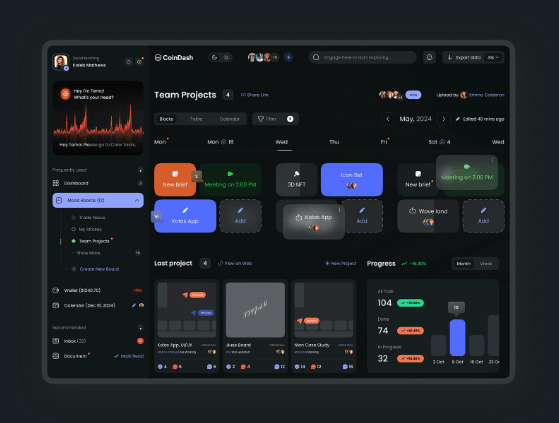
Dark-themed websites continue dominating modern design trends.
Why users love dark UI:
- Premium appearance
- Better visual contrast
- Reduced eye strain
- Modern technology aesthetic
For Qyuse-style branding, combining:
- Black backgrounds
- Green neon accents
- Minimal layouts
creates a strong futuristic identity.
Dark UI works especially well for:
- Tech websites
- AI platforms
- Crypto brands
- Developer communities
2. Minimalist Layouts
Minimalism remains one of the strongest trends in web design.
Modern websites now focus on:
- Clean spacing
- Simple navigation
- Fewer distractions
- Better readability
Minimal layouts improve:
- Loading speed
- User focus
- Mobile responsiveness
A simple interface often feels more premium than cluttered designs.
3. Mobile-First Design
Most internet users now browse through smartphones.
In 2026, websites must prioritize:
- Fast mobile loading
- Responsive layouts
- Easy navigation
- Touch-friendly design
Google also ranks mobile-friendly websites higher in search results.
A modern website should look perfect on:
- Phones
- Tablets
- Desktop screens
4. AI-Powered User Experience
AI is beginning to influence website experiences significantly.
AI-powered features include:
- Smart recommendations
- Personalized content
- AI chat systems
- Automated support
- Dynamic layouts
Businesses are increasingly integrating AI tools to improve engagement and productivity.
5. Interactive Animations
Subtle animations help websites feel modern and alive.
Popular examples:
- Hover effects
- Smooth scrolling
- Loading animations
- Interactive buttons
Good animations improve:
- User engagement
- Premium feel
- Navigation experience
However, excessive animations can slow down websites, so balance is important.
6. Glassmorphism & Soft UI
Glassmorphism continues trending in futuristic web design.
This style uses:
- Transparent layers
- Soft blur backgrounds
- Smooth gradients
- Modern lighting effects
Combined with neon accents, it creates a high-end technology aesthetic.
7. Faster Website Performance
Speed is now a major part of design quality.
Users expect websites to load almost instantly.
Fast websites improve:
- SEO rankings
- User retention
- Conversion rates
Ways to improve performance:
- Optimize images
- Use lightweight themes
- Enable caching
- Reduce unnecessary plugins
A fast website feels more professional.
8. Strong Brand Identity
Modern websites focus heavily on branding consistency.
Important branding elements:
- Color palette
- Typography
- Logo design
- Content style
- Visual consistency
Qyuse-style branding works well because it combines:
- Technology aesthetics
- Minimal design
- Premium dark themes
Strong branding makes websites more memorable.
9. Large Typography & Bold Headlines
Large headlines are becoming increasingly popular.
Benefits:
- Better readability
- Stronger visual impact
- Improved mobile experience
Modern typography creates a cleaner and more premium appearance.
10. Content-Focused Design
In 2026, content still remains the center of successful websites.
Modern layouts prioritize:
- Readability
- Structured articles
- Clean spacing
- Easy navigation
Good content combined with premium design creates strong user trust.
Recommended Design Setup for Qyuse
For a premium futuristic look:
Color Style
- Black background
- Neon green accents
- Soft gradients
Typography
- Poppins
- Inter
Layout Style
- Minimal sections
- Glassmorphism cards
- Clean spacing
Effects
- Subtle glow
- Smooth hover animations
- Modern icons
This creates a modern tech-focused identity that feels professional and scalable.
Final Thoughts
Website design in 2026 is focused on:
- Speed
- Simplicity
- Branding
- Mobile optimization
- AI integration
The best websites combine functionality with premium visual experience.
Whether you are building:
- A blog
- An affiliate website
- A portfolio
- A tech brand
modern design can significantly improve growth and credibility online.
Power your digital journey with carefully selected tools, AI platforms, hosting services, and growth resources recommended by Qyuse.